Preservation
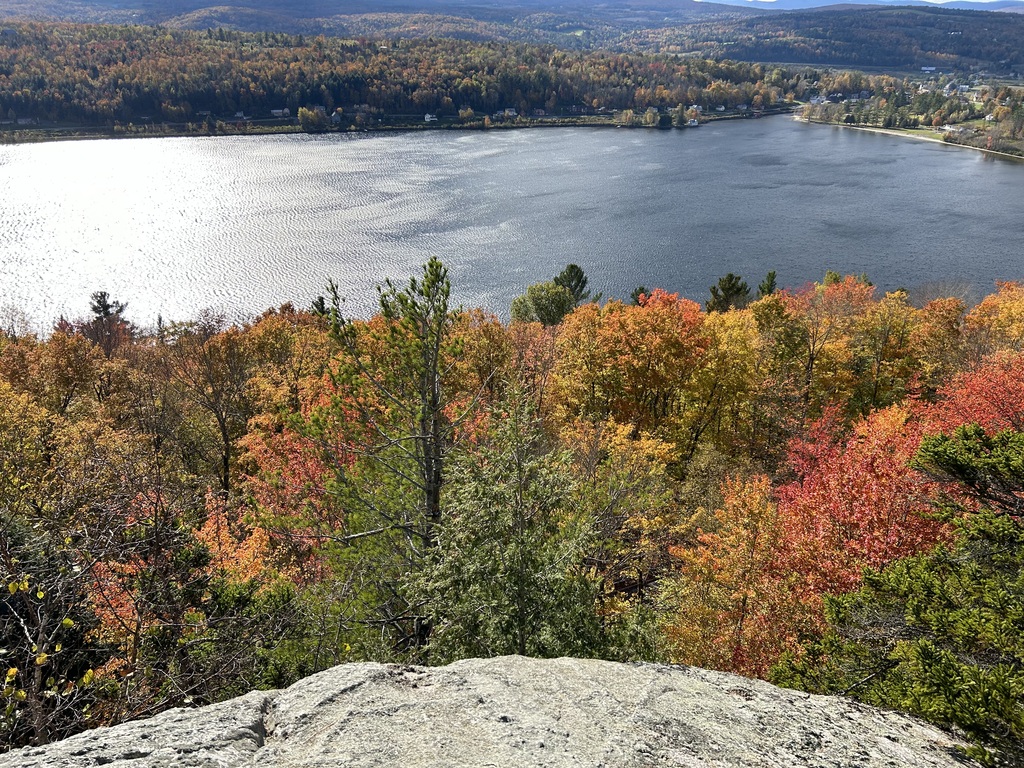
Crystal Lake is a beautiful, glacial lake located in Barton, Vermont. Known for its crystal-clear water, the lake supports a wide variety of native flora and fauna and provides year-round recreation opportunities to residents and visitors of Vermont's Northeast Kingdom.
Crystal Lake has been recognized by Yankee Magazine as having the best beach in the state of Vermont and by Travel & Leisure as having one of the Top 25 best beaches in the country. We want to continue to receive these accolades for our treasured glacial lake.
For over 20 years, the Crystal Lake Preservation Association (CLPA) has been hard at work protecting Crystal Lake’s ecosystem through the management and control of aquatic invasive species such as Eurasian watermilfoil (milfoil).
Invasive Species Management
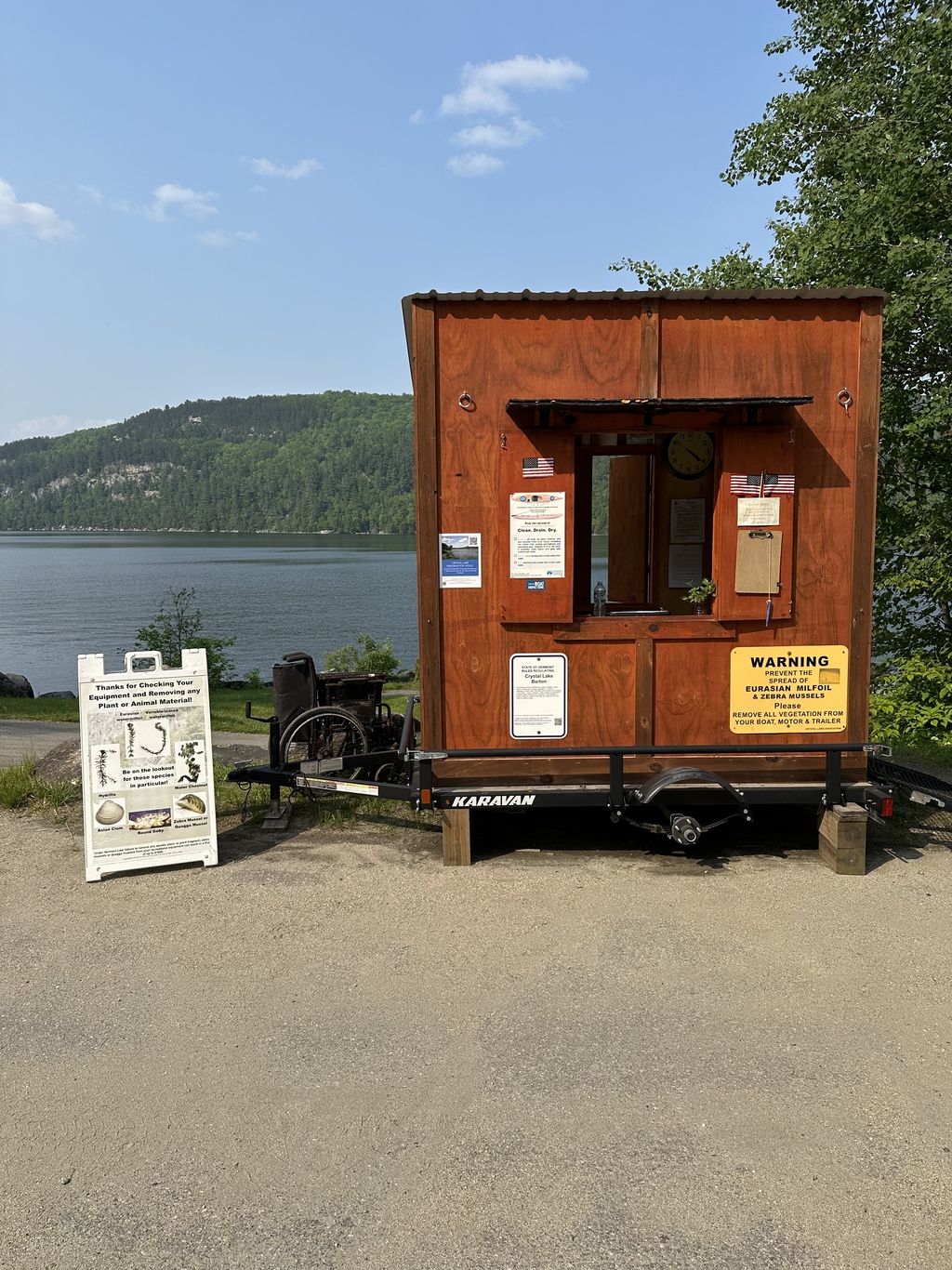
To prevent the spread of Eurasian Milfoil via boats, the CLPA operates a summer Greeter Program via the Vermont Public Access Greeter Program.
From Memorial Day through Labor Day, the CLPA employs paid staff to greet every boat at the public boat launch. Greeters are present from 6am - 6pm each day. Each greeter attends a day-long training with the Vermont Public Access Greeter Program.
Boat Access Greeter Duties
Learn more about the Vermont Public Access Greeter Program and US Fish & Wildlife Clean, Drain, Dry.
Invasive Species Management
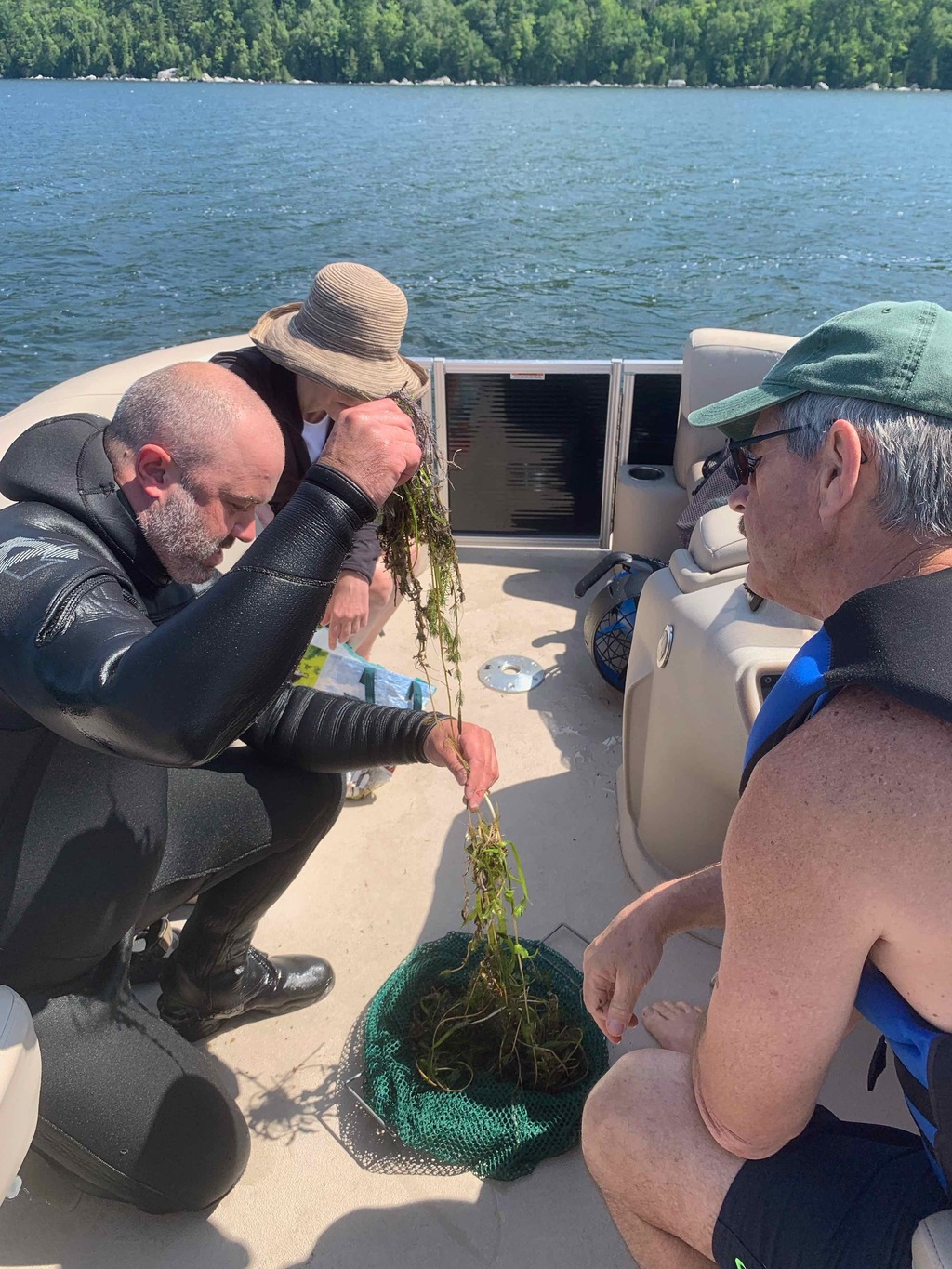
CLPA volunteers identify and monitor new and spreading Eurasion watermilfoil. Once identified, the CLPA hires a specially-trained diver to remove the milfoil using various techniques, including diver-assisted suction harvesting (DASH). DASH is a chemical-free method for removing invasive aquatic plants using divers with specialized equipment to uproot target plants and feed them into a suction hose for collection and disposal, effectively removing the entire plant, roots and all, to prevent regrowth. This technique protects native plants while controlling invasive species like Eurasian Watermilfoil, making it an effective and eco-friendly alternative to herbicides.
The costs for suction harvesting can exceed $1,200 per visit. The Crystal Lake Preservation Association relies on generous donations to fund DASH and other eco-friendly invasive-species control programs.
The Crystal Lake Preservation Association relies on the generous donations of NEK residents, lake property owners, visitors, and fans of Crystal Lake to educate people about Eurasian Watermilfoil and fight invasion. Donations directly fund CLPA’s invasive species control efforts and education programs.